History Of JDM
What is JDM?
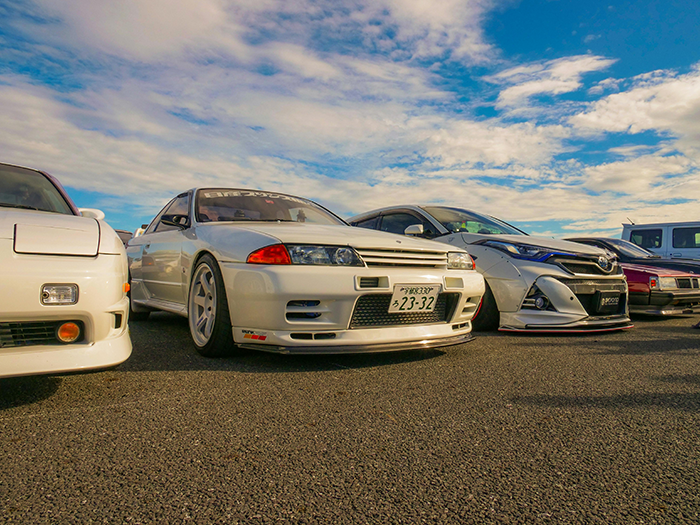
JDM stands for Japanese Domestic Market, referring to vehicles and parts made specifically for Japan. Unlike export models, JDM cars often feature unique designs, advanced technology, and performance upgrades tailored to Japan’s strict automotive standards.
These cars have gained a massive following worldwide due to their reliability, high-revving engines, cutting-edge design, and deep roots in motorsports. From the legendary Skyline GT-R to the beloved Toyota Supra, JDM cars have left a lasting mark on the automotive world.
1950s-1970s
The Rise of Japanese Automakers
After World War II, Japan’s automotive industry focused on producing small, fuel-efficient, and reliable cars to support economic growth.
Japan Enters the Performance Scene
As Japanese manufacturers gained confidence, they began developing performance-oriented vehicles to compete with European sports cars. The Toyota 2000GT, often referred to as Japan’s first supercar, and the Mazda Cosmo, the world’s first rotary-powered sports car, showcased Japan’s engineering prowess on the global stage.
The Rise of Racing Icons
The 1970s marked Japan’s dominance in motorsports, particularly with the introduction of the legendary Nissan Skyline GT-R (“Hakosuka”), which quickly became a force in touring car racing. Mazda also made history by pushing rotary-engine technology to new heights, leading to motorsport victories that solidified Japan’s reputation in high-performance engineering.
The Impact of Motorsports
During this time, racing played a crucial role in shaping JDM culture. Manufacturers like Nissan, Toyota, and Mazda competed in touring car championships, proving that Japanese cars could rival—and often outperform—their Western counterparts. This racing success laid the foundation for the high-performance JDM legend that followed.
1980s–1990s
The Golden Era
The 1980s and 1990s marked the golden age of JDM cars. With Japan’s economy thriving, manufacturers had the resources to push automotive technology to new heights, resulting in some of the most iconic performance cars ever built. This era defined JDM culture, blending innovation, motorsports dominance, and a rapidly growing street racing scene.
Legendary JDM Cars of the Era
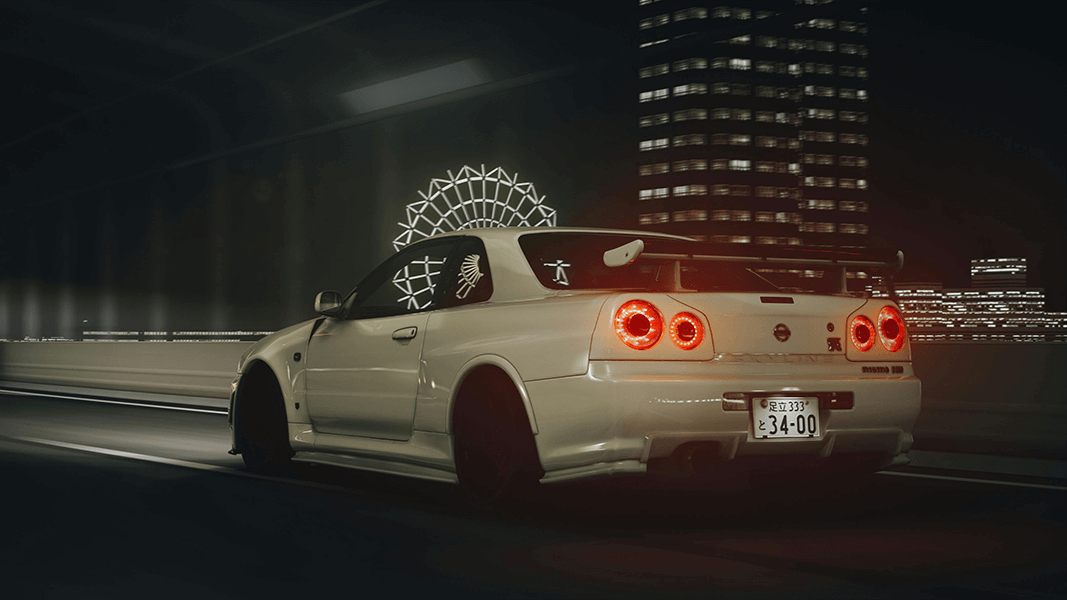
The 1980s and 1990s saw the rise of some of the most iconic JDM cars ever built. Lightweight drift machines, turbocharged monsters, and rally-bred legends took the automotive world by storm. Models like the Toyota AE86, Nissan Skyline GT-R, Mazda RX-7, Honda NSX, Toyota Supra, Mitsubishi Lancer Evolution, and Subaru WRX STI became symbols of performance, innovation, and tuner culture. These cars dominated both the streets and the racetrack, cementing JDM’s legendary status worldwide.
The Rise of Street Racing & Tuning Culture
During this period, tuning and street racing exploded, fueled by car magazines, underground racing groups, and pop culture influences. This golden era cemented JDM’s place in automotive history, creating a lasting legacy of performance, innovation, and motorsport dominance that still thrives today.
The Spirit of Kanjo Racing
The Kanjozoku races are the stuff of legend, an underground phenomenon that few have witnessed but many admire. Taking place in the dead of night on Osaka’s infamous Kanjo Loop, these high-speed battles were more than just illegal street races—they were a test of skill, endurance, and pure rebellion. Unlike other racing scenes, Kanjozoku operated in secrecy, with masked drivers, modified Hondas, and a deep-rooted code of honor. Their races were rarely captured on film, adding to their mystique and making them one of the most elusive and legendary chapters in JDM history.
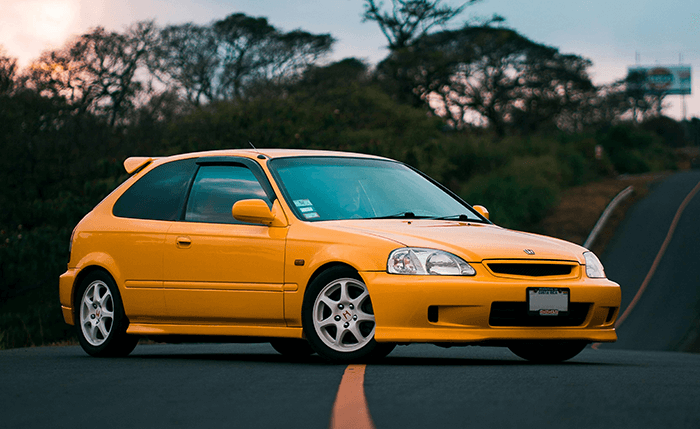
Unlike traditional street racing, Kanjozoku focused on high-speed endurance and agility, weaving through traffic at breakneck speeds. Their weapon of choice was the lightweight, high-revving Honda Civic, specifically the EG6, EF, and EK chassis, tuned for an optimal power-to-weight ratio. These cars were stripped down for maximum speed, featuring roll cages, bucket seats for stability, and aggressive VTEC engine tuning. To add to their rebellious image, Kanjo racers often sported brightly colored liveries and even wore masks, both as a signature look and a way to evade police detection.
2000s
A Shift in JDM Culture
The early 2000s marked a turning point for JDM cars as stricter emissions laws, economic shifts, and changing consumer preferences reshaped the industry. Many of the legendary performance cars of the ’90s were discontinued, and the focus began shifting toward technology, efficiency, and sustainability.
The End of an Era
Production of icons like the Toyota Supra MK4, Mazda RX-7, and Nissan Skyline GT-R (R34) came to an end, marking the close of the golden age of JDM performance.
With growing environmental concerns, Toyota and Honda pioneered hybrid technology with models like the Prius and Insight, signaling a shift toward fuel efficiency over raw performance.
Evolution
Despite these changes, JDM culture remained strong, fueled by a passionate aftermarket tuning scene, drifting events, and a growing international demand for classic imports. While the golden era had ended, the spirit of JDM lived on, setting the stage for its next evolution.
2010s-Present
The Revival of Classics
After a decade of uncertainty, JDM performance cars have made a powerful comeback, blending modern technology with the raw excitement of their legendary predecessors. Manufacturers have embraced aggressive styling, turbocharged engines, and track-focused engineering, bringing the spirit of the golden era into the modern age.
The Return of Legends
Modern JDM icons have revived legendary names with cutting-edge performance. The Toyota Supra A90 brings back the Supra legacy with turbocharged power, while the Honda Civic Type R continues to dominate FWD performance. Nissan honors its heritage with the new Z, and Toyota’s GR lineup (GR86, GR Yaris, GR Corolla) reignites its racing DNA.
Global Comeback
JDM culture continues to thrive globally, fueled by pop culture icons like The Fast and the Furious and Initial D, along with a passionate online community, tuning scene, and competitive racing events. The legacy of JDM lives on, proving that Japan’s performance cars are here to stay.
Legacy & Future of JDM
The legacy lives on!
From its early beginnings to its reign in motorsports and pop culture, JDM has shaped the global car scene like no other. Whether it’s the legendary classics, cutting-edge modern performance cars, or the ever-evolving tuning culture, JDM remains a symbol of innovation, passion, and speed.